
The best golf ball for a high handicap
Plenty of players who score above 90 lose a few balls each round and simply play on with whatever ball is next to hand. That way it is easy to go through three or four different balls in a single round. Every ball reacts a little differently on a putt or a chip. By constantly switching, you never get to know those reactions, and your short game becomes less predictable.
Why does playing the same ball earn you shots?
If you play the same ball every round, you learn its flight and its roll. You know how firm or soft it feels off the putter and how far it runs out after a chip. That matters most around the green, because that is where you need the most shots. A ball that behaves the same way every time gives you something to rely on from close range, and it can save you shots directly.
Which ball suits a higher handicap?
For most players with a higher handicap, an affordable two-piece ball is a good choice. A ball like this has a rubber core and a hard ionomer outer layer. It lasts a long time and is relatively cheap. That lets you play the same ball every round without the cost of a lost ball weighing on you.
Which ball suits you also depends on the feel you enjoy. If you like a soft feel at impact, you can go for a soft ball. That is a valid preference at any handicap.
When does a tour ball come into play?
A tour ball has a urethane outer layer. That material grips the grooves of the clubface and produces more spin and control on pitches and chips. As a result the ball stops sooner and stays closer to where it lands. A ball like this costs four to five euros apiece.
Whether that extra control is worth it depends on your short game. If you play mostly on feel around the green and lose a few balls each round, you gain little from a urethane outer layer. The switch becomes more worthwhile once your chipping and pitching grow more precise and you keep almost every ball in play.
Can you straighten out a slice with a different ball?
A slice happens when the clubface is open relative to the swing path at impact. The cause lies in your technique. A golf ball does, however, influence the amount of spin and the height of the ball flight.
A consistent ball helps you mainly through its predictable reaction. If you do not strike the ball cleanly every time, you gain the most from a ball that behaves the same way on your ordinary shots. For a player with a higher handicap, that predictability matters more than a small amount of extra spin.
Which five affordable balls make a good start?
These five are two-piece balls with a hard outer layer. With these golf balls the emphasis is on distance and durability. The two-piece construction alone does not automatically make a golf ball a distance ball. The table below shows what sets each ball apart.
| Golf ball | Per box | Choose it mainly if… | Bear in mind… | |
|---|---|---|---|---|
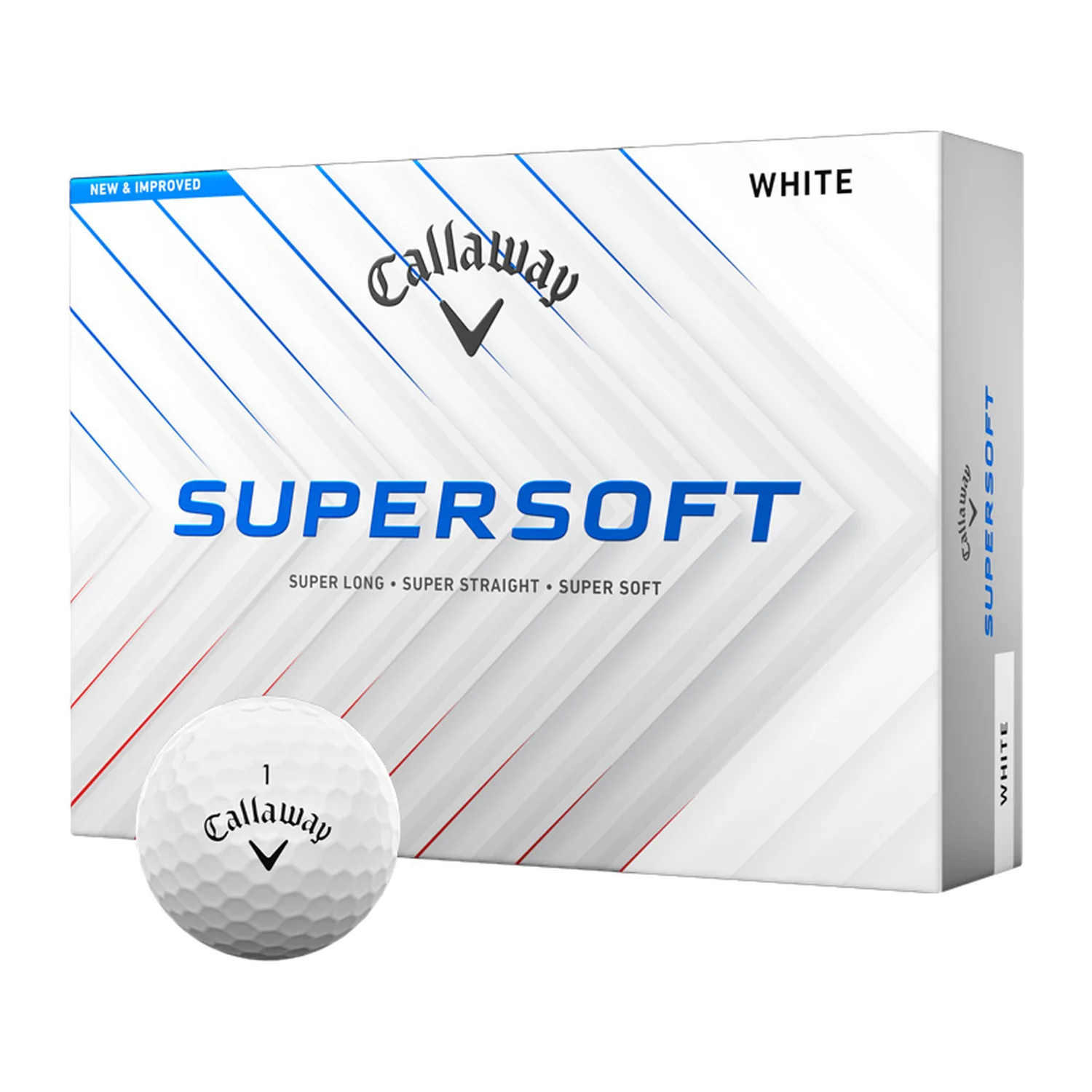 Callaway Supersoft Callaway Supersoft | £22.95 | you want a distinctly soft feel at impact | less greenside control than a urethane tour ball | Go to shop → |
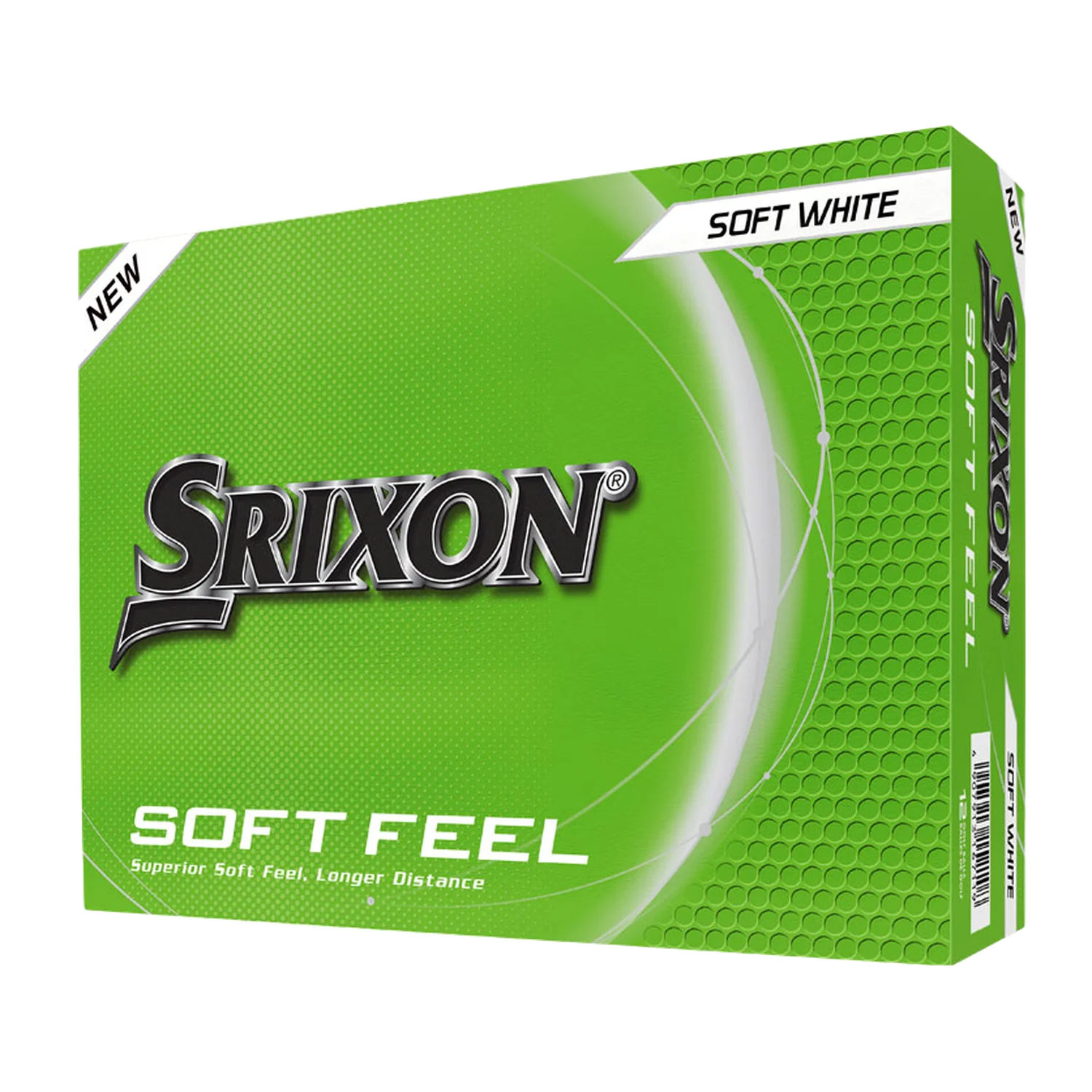 Srixon Soft Feel Srixon Soft Feel | £14.99 | you want an affordable ball without any extreme character | it does not stand out for any one striking quality | Go to shop → |
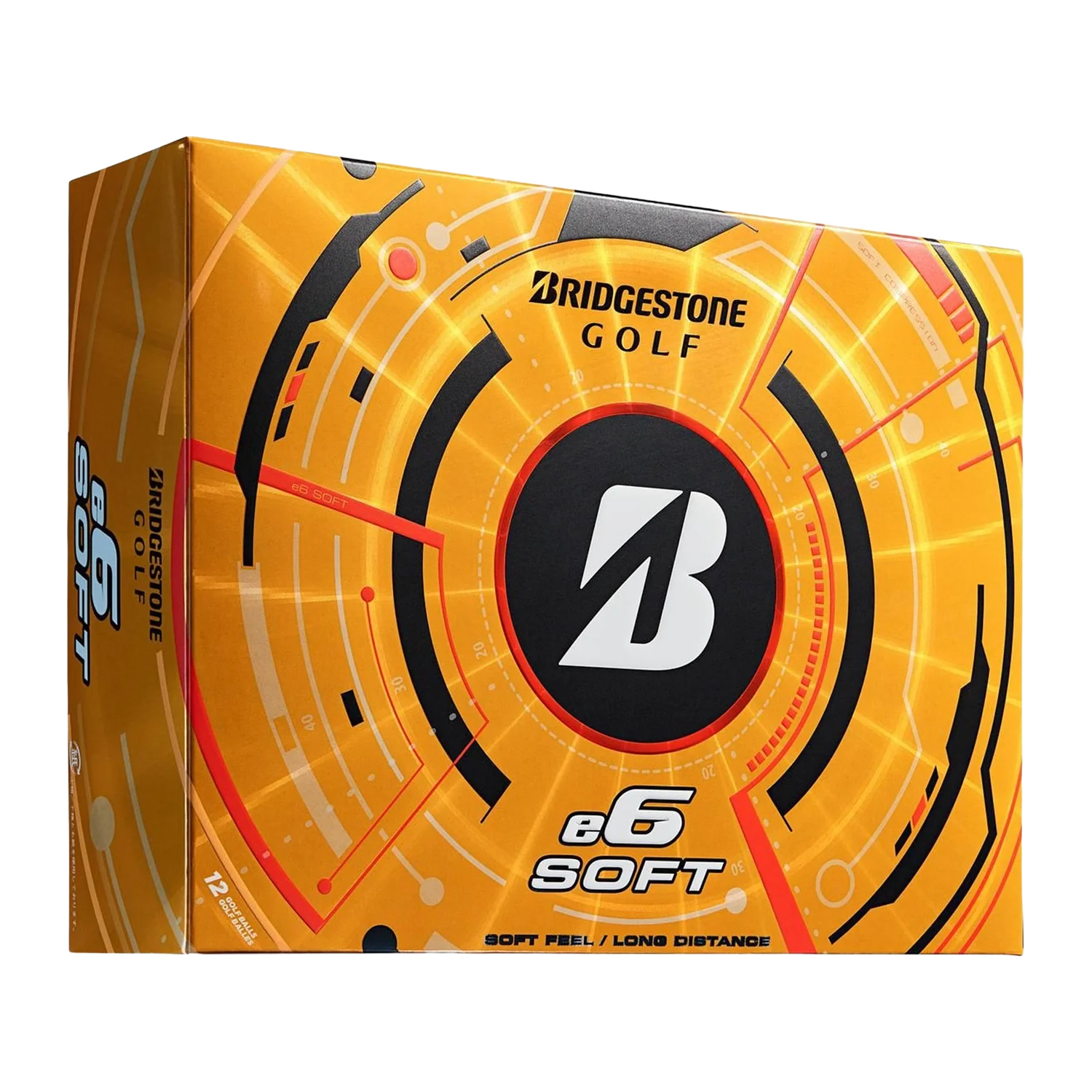 Bridgestone e6 Bridgestone e6 | £18.95 | you want a ball geared towards low spin off the driver | it will not cure a slice or a hook | Go to shop → |
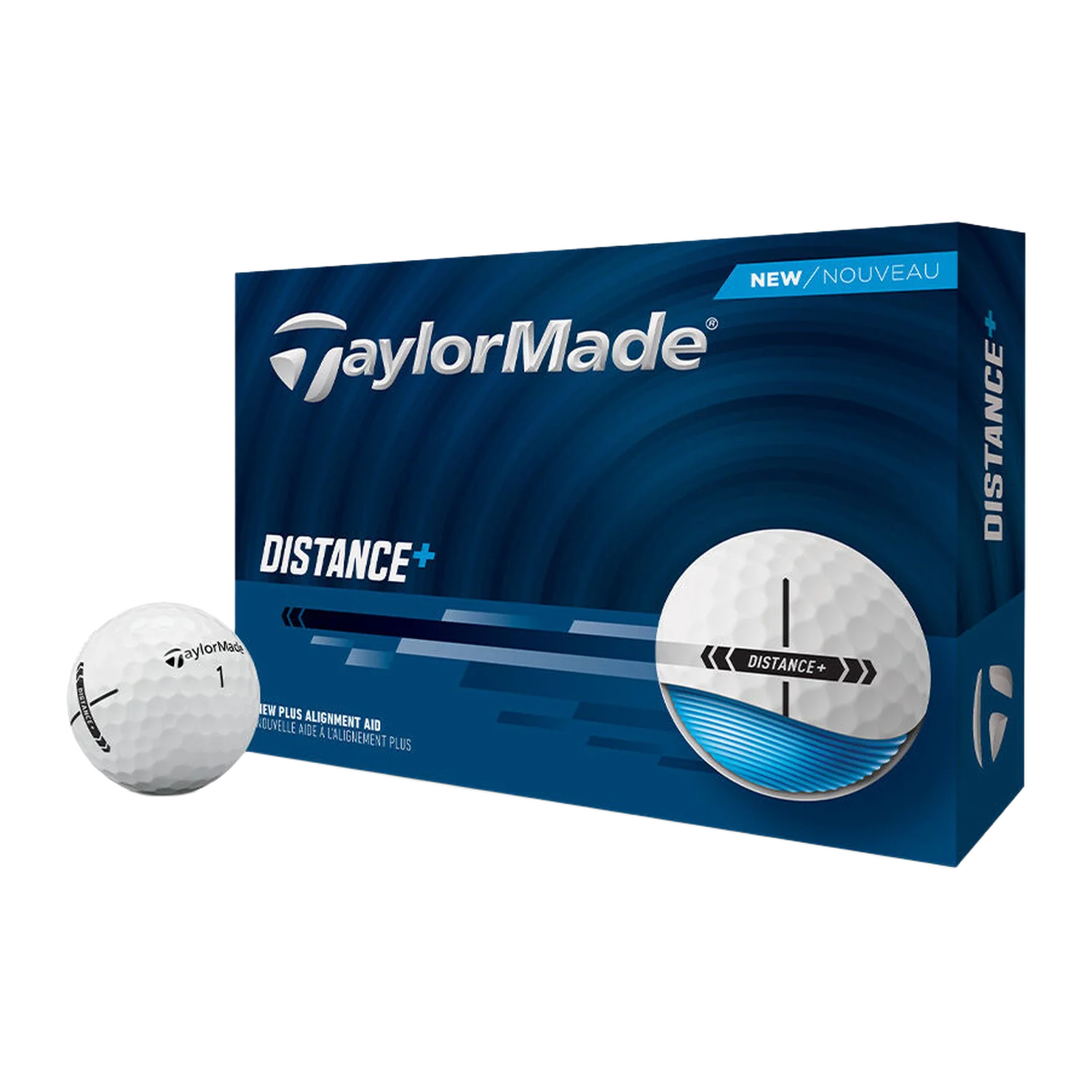 TaylorMade Distance+ TaylorMade Distance+ | £17.50 | distance and a firmer feel matter to you | it feels clearly less muted than the softest models | Go to shop → |
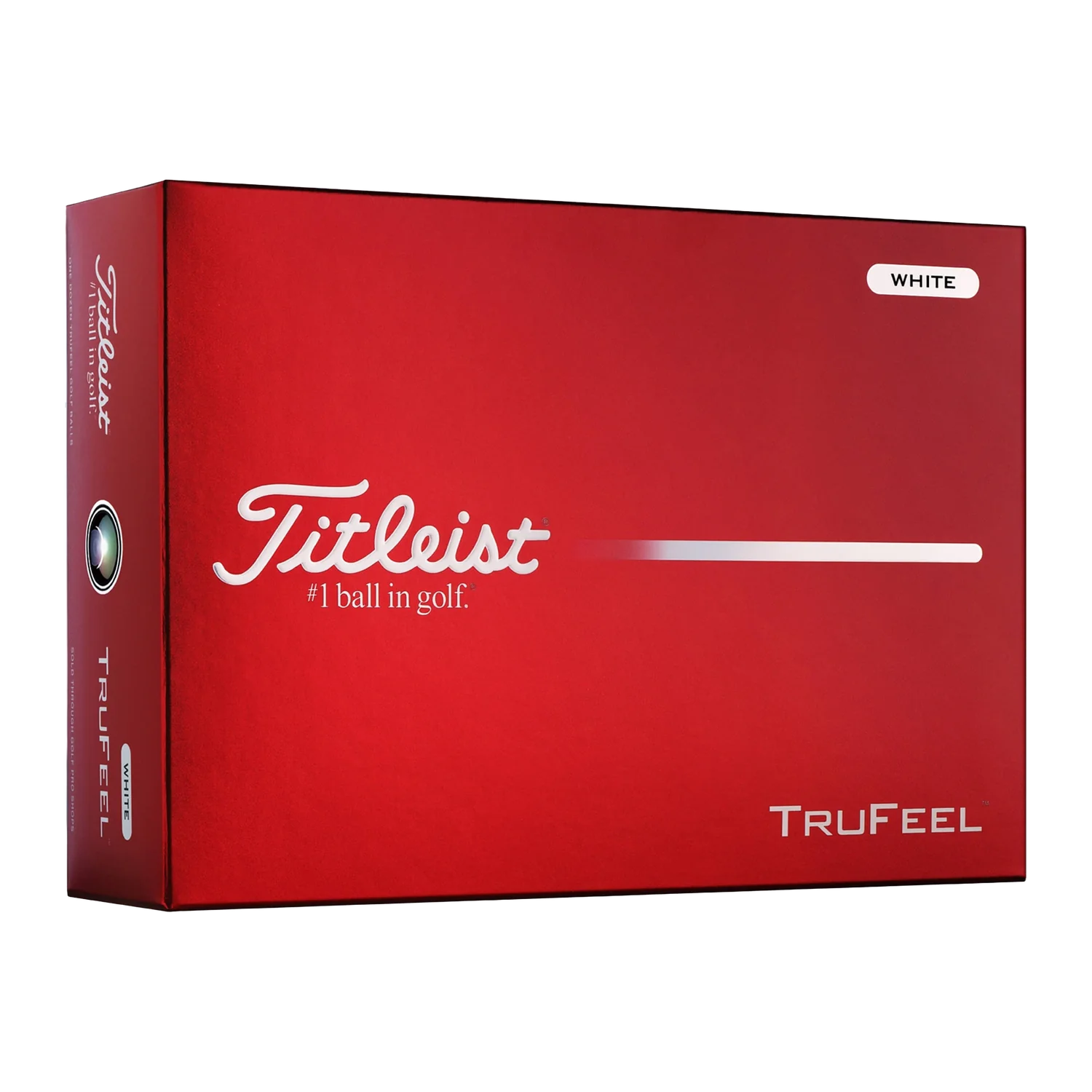 Titleist TruFeel Titleist TruFeel | £21.99 | you like playing Titleist without the Pro V1 price | it is a distance ball, not a cheap Pro V1 | Go to shop → |
The Callaway Supersoft feels distinctly soft at impact.
The Srixon Soft Feel is an affordable, well-balanced ball to use as your regular choice.
The Bridgestone e6 keeps driver spin low, which can help limit sideways deviation a little.
The TaylorMade Distance+ is made for distance and feels firmer and more defined at impact.
The Titleist TruFeel is a two-piece ball with an ionomer outer layer and a low compression. It feels soft at impact. The hard outer layer keeps spin low and can add a little extra distance.
How do you pick your ball from these?
You do not have to buy all five balls. Choose the one that appeals to you most and play a few rounds with it. Pay particular attention to how it reacts around the green. Does the ball behave the way you expect on a chip and a putt?
Afterwards you might test another ball. That is how you find out which ball gives you the most confidence.
Want to choose more precisely?
A list like this is a good starting point. For a more targeted choice, you can set your own game and preferences alongside the ball data. OneGolfBall compares the golf balls against your swing, the feel you want, and your budget. You then get a short list of matching golf balls and their price.
Frequently asked questions
As a higher handicapper, do I have to play an expensive tour ball?
An affordable two-piece ball is enough for most players. A tour ball becomes worthwhile once your short game grows more precise and you barely lose any balls.
Can I choose on feel?
Yes. If you enjoy a soft feel at impact, you can go for a soft ball. That is a valid preference at any handicap.
How long should I try a ball before I notice anything?
Play a few full rounds with the same ball. Focus on the short game in particular. How much roll do you get on a chip, and how firm or soft does the ball feel on a putt? After three or four rounds you will know whether you want to stick with this ball.
Does a softer ball fly straighter?
Softness mainly says something about the feel at impact. Direction is determined chiefly by your swing. A ball with low driver spin can limit sideways deviation a little.
Keep reading
Ready to find your ball?
Answer a few quick questions and get the ball that fits your swing.