
Cheap golf balls: new, used or refurbished?
Off the driver, cheap and expensive golf balls often sit close together. The biggest difference shows up around the green. Which affordable option suits you depends on the type of ball and on your own game.
Three lost Pro V1s cost roughly twelve euros. So if you lose balls regularly, it doesn't take much math before a cheaper alternative starts to look appealing.
The choice runs from a new distance ball to a used tour ball, a refurbished ball or a mixed bag. The prices can be similar, while the origin and finish differ. The playing characteristics can differ too. A smart choice fits your game. The ball also has to be easy to get hold of again and cheap enough to play consistently.
What do you give up with a new budget ball?
A new two-piece distance ball with an ionomer cover can come close to far more expensive golf balls off the driver. Price says little about the distance you get. Swing speed, launch, spin and strike have more to do with it.
The table below compares four golf balls at three swing speeds. The calculated distances sit close together. These remain model calculations for illustration; your actual distance depends on your own strike.
| Golf ball | Per ball | Per box | 81 mph | 96 mph | 112 mph | |
|---|---|---|---|---|---|---|
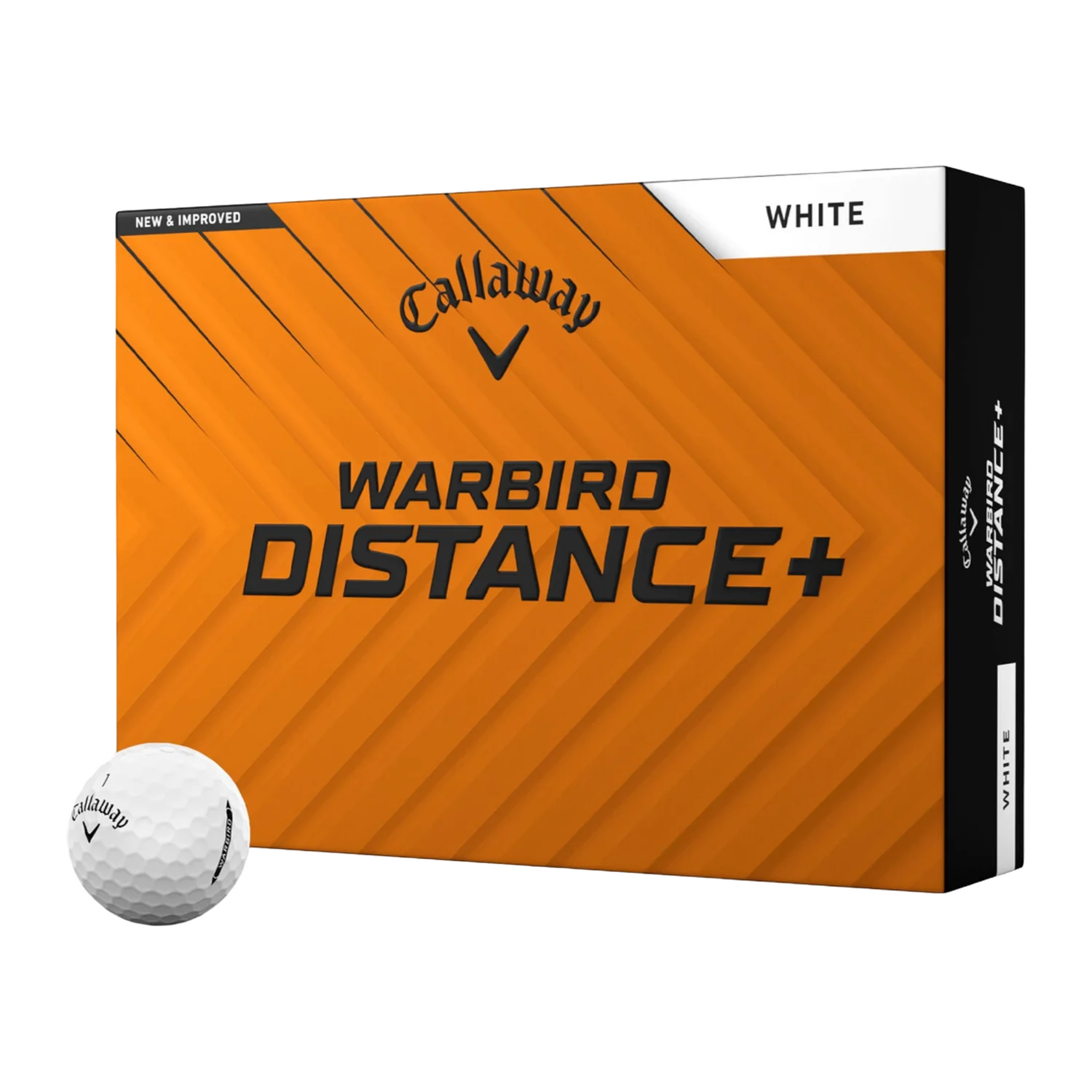 Callaway Warbird Callaway Warbird | £1.50 | £17.95 | 181.3 yds | 233.1 yds | 277.1 yds | Go to shop → |
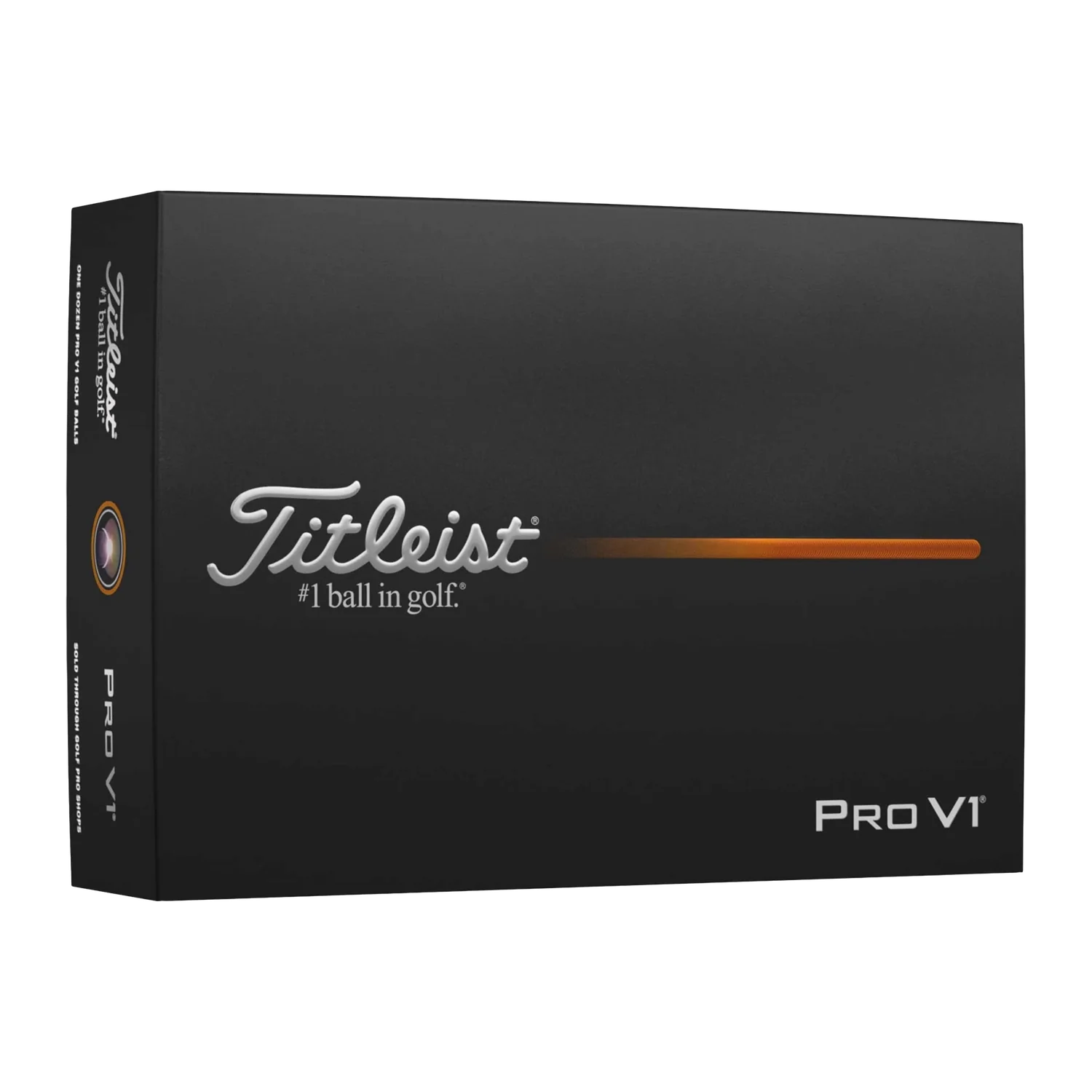 Titleist Pro V1 Titleist Pro V1 | £3.58 | £42.99 | 181.5 yds | 236.4 yds | 279.6 yds | Go to shop → |
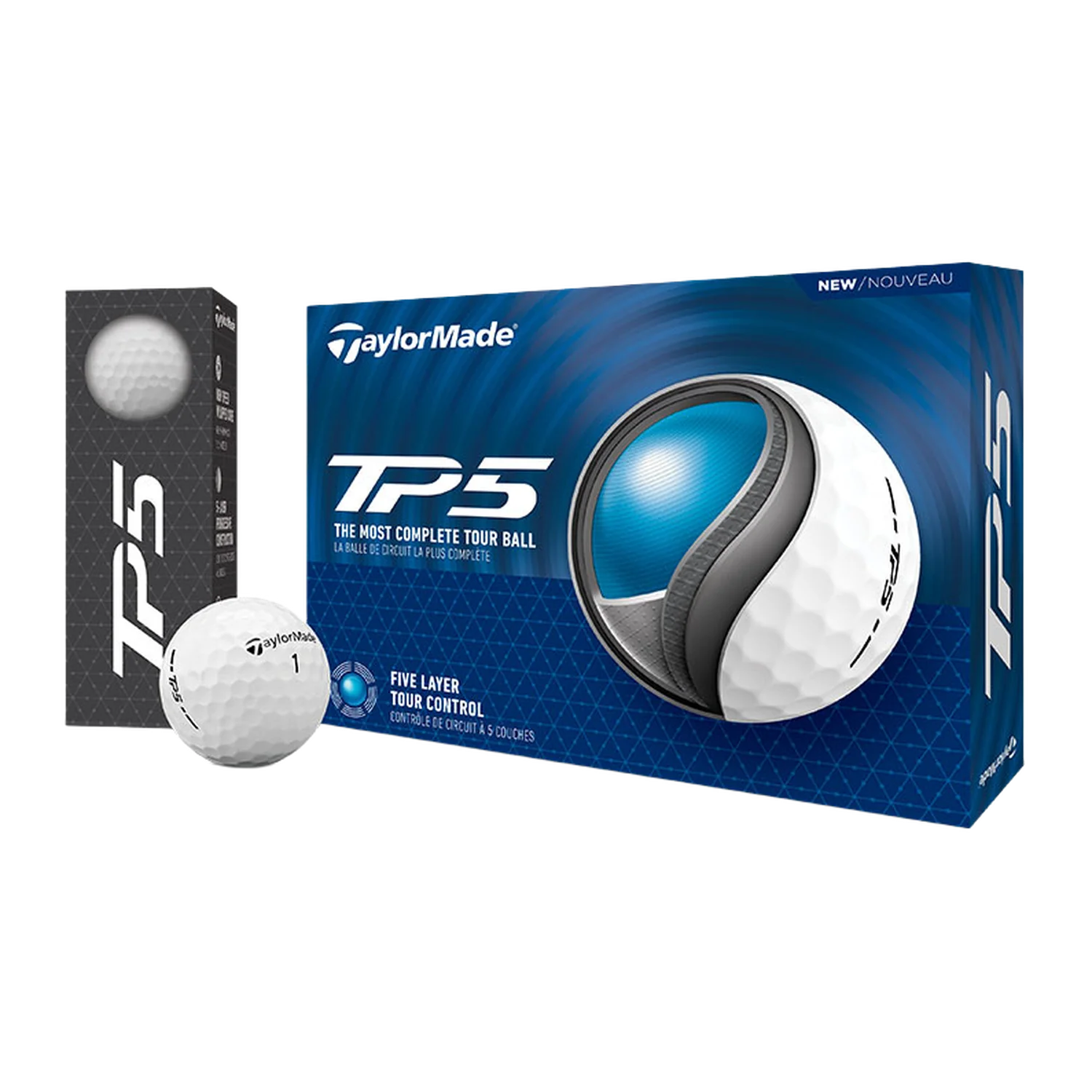 TaylorMade TP5 TaylorMade TP5 | £3.33 | £39.99 | 176.4 yds | 234.0 yds | 278.1 yds | Go to shop → |
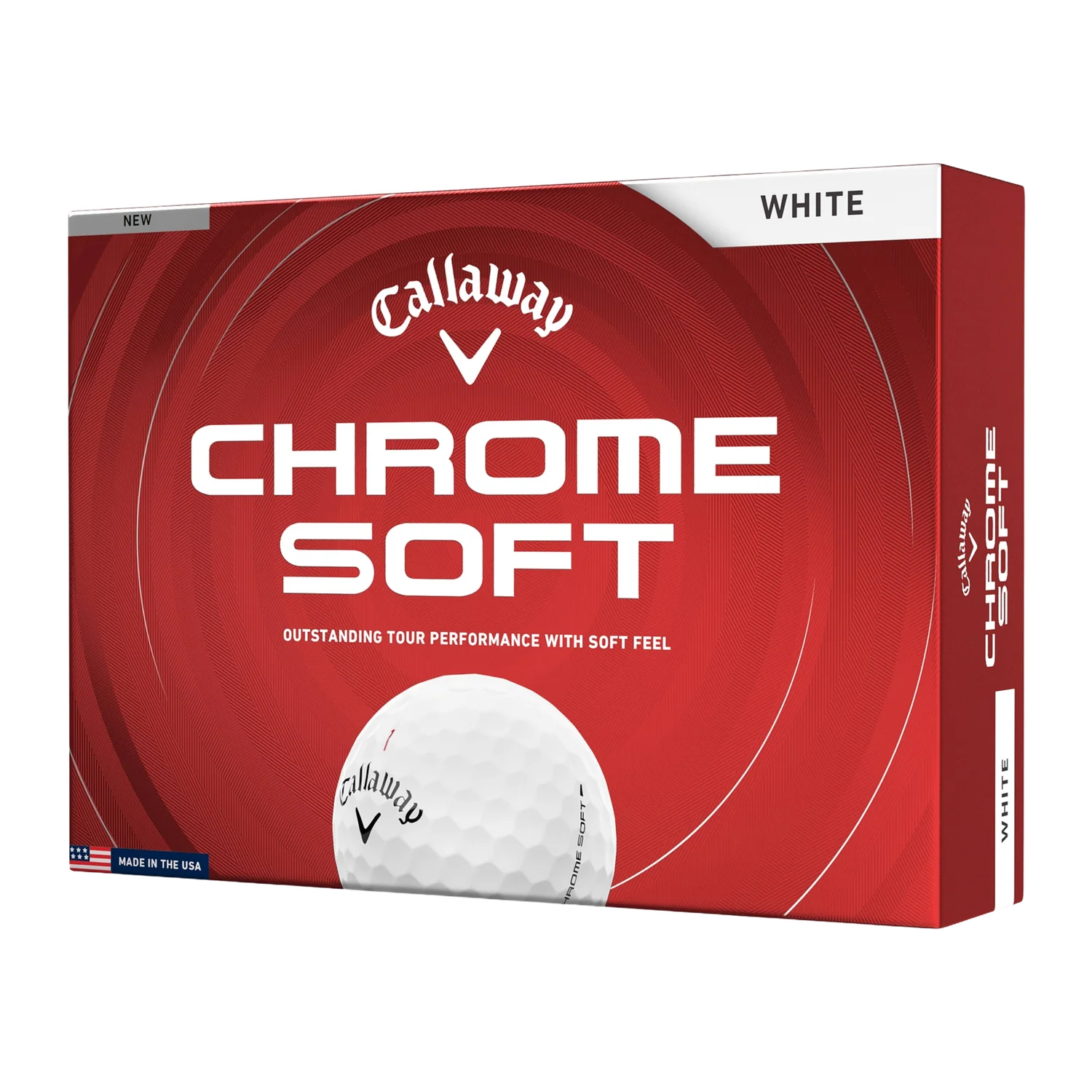 Callaway Chrome Soft Callaway Chrome Soft | £3.21 | £38.49 | 181.4 yds | 234.4 yds | 277.7 yds | Go to shop → |
Closer to the green, the differences become clearer. On pitches and chips, the urethane cover of a tour ball grips the clubface better. That usually produces more spin. On the same well-struck short shot, an ionomer cover typically gives less greenside spin.
How much that extra spin is worth depends on your short game. Golfers who deliberately pick a landing spot on chips and let the ball run out with more or less spin will notice the difference sooner. For a predictable, running chip, a budget ball can work just fine. The lower price counts for even more when you lose several balls a round.
What is the difference between a new golf ball, a lake ball and a refurbished golf ball?
A new golf ball is unused and has its original cover and print. A lake ball is a found ball that has been cleaned and sorted for quality. A refurbished ball has been sanded and refinished, and may also have been reprinted. That means with a refurbished ball you know less about what sits underneath the new finish.
The list below also sets the mixed bag apart. A bag like that holds different models and often different generations too. That makes it less predictable than a supply of the same type of golf ball.
- Recycled or lake balls: found, cleaned and sorted by condition. The original cover is still on there.
- Refurbished or refinished: sanded back, re-coated and possibly re-stamped. The outside is no longer fully original.
- Mixed bag: assorted models, frequently from different generations, lumped in together.
A well-sorted used ball with an intact, original cover can be a sensible buy. One study using Pro V1 balls shows that a ball can keep its performance after contact with water. After up to twelve months in a golf pond there was no significant loss in distance and no greater dispersion compared with control balls.
The result applies specifically to the Pro V1 balls tested, under the conditions described. Damage such as cuts and scuffs remains a good reason to leave a used ball where it lies. The same goes for poorly sorted batches. A used ball with the original cover gives more certainty if you're after the original behaviour of a particular model. For a practice round, that new finish may matter less.
Why does a bag full of bargains play less consistently?
A one-off deal can be good value. But constantly switching means every ball plays slightly differently. That applies, for example, to going from a Callaway Warbird to a Srixon Soft Feel. Used Titleist Pro V1s play differently again. Some balls feel harder off the putter. The launch and run-out on a chip can vary too. With one regular ball, you get to know those differences better.
The cost makes it clear why price is part of the choice. Three balls a round cost €12.75 at €4.25 a ball. At €1.75 a ball you pay €5.25. That's a difference of €7.50 a round.
OneGolfBall selects golf balls based on your game and preferences. Your budget counts too. Within that selection you see what the matching golf balls cost at the partner shops. That keeps the choice tuned to your game and lets you compare prices as well.
If you want to stay under two euros a ball, start by picking two or three suitable golf balls. Then take the one that's easy to get hold of and play it long enough to learn its flight and roll.
Keep reading
Ready to find your ball?
Answer a few quick questions and get the ball that fits your swing.