
Which golf ball is right for you?
The golf ball is the one piece of equipment you use on every single shot. The technology inside it has changed a great deal over the past few decades, and the choice on the shop shelf is now huge. Below we walk through the most important things you need in order to choose.
How a golf ball is built
A golf ball is made up of one or more layers around a rubber core. The simplest balls are two-piece: a large core with a firm cover wrapped around it. They are durable and affordable, which is why they are popular with beginners and occasional golfers.
The more expensive the ball, the more mantle layers sit between the core and the cover. Around the green, a soft chip can put plenty of spin on it, so it stops quickly. On a full driver swing the spin drops away instead and the ball rolls out a long way. A tour ball soon has four or five layers. The TaylorMade TP5 has five.
What the outer layer is made of
The outermost layer largely determines how a ball feels and how much grip it takes around the green. Tour balls and other premium balls use urethane, a soft, slightly tacky material that grabs the clubface. That grip creates friction, and friction creates spin. You notice it most on the short shots around the green: the ball is more likely to sit down.
The alternative is an ionomer cover. This material is harder and firmer and lasts longer. It is also cheaper to make, and you will find it on most distance and entry-level balls. Ionomer slides more easily across the clubface, which keeps spin lower. For many recreational golfers that works just fine, because lower spin off the tee often produces a straighter ball.
Why a ball has dimples
A smooth ball would not travel far. The dimples on a golf ball break up the airflow around it and reduce drag, so it flies farther and more stably. Most balls have between 300 and 500 of them. The exact number and shape differ from brand to brand and affect the flight path, though as a recreational player you will rarely notice a difference between two balls from the dimples alone.
The different types of ball
Tour balls are the most expensive and most advanced balls, with a urethane cover and multiple layers. The Titleist Pro V1, the TaylorMade TP5 and the Callaway Chrome Soft belong in this category. They give a lot of control around the green, but you pay for it too: a dozen quickly costs 55 to 65 euros. Whether you notice the difference depends on your game. Plenty of golfers play perfectly well with a cheaper ball.
Distance balls are built for length. They often have a two-piece construction with a hard cover and low to medium spin, so they fly straight and far. For many players they are an affordable choice, with a dozen often costing under 25 euros.
Soft balls are all about a soft feel at impact. The Callaway Supersoft and the Srixon Soft Feel are examples. They have a low compression and feel soft off the putter and the wedges. Many golfers choose them simply because they like the feel.
Ladies' balls are usually balls with a lower compression, meant for slightly gentler swing speeds. There is no separate technology in them that only works for women. Anyone with a gentle swing can benefit, whether that is a man or a woman.
Lake balls are used balls that are fished out of the water hazards and, after a clean-up, sold again. They are cheaper than new balls. The quality varies: a ball that has spent a long time in the water may have lost some spin or feel, though for most recreational golfers that effect is small. For a practice round, or if you often lose balls, they are a perfectly good option.
How much distance does a cheaper ball cost you?
Off the tee, very little. In our own calculated driver profiles, cheap and expensive balls sit close together. At a swing speed of 155 km/h it looks like this:
| Golf ball | Per ball | Per box | Carry | Roll | Total | |
|---|---|---|---|---|---|---|
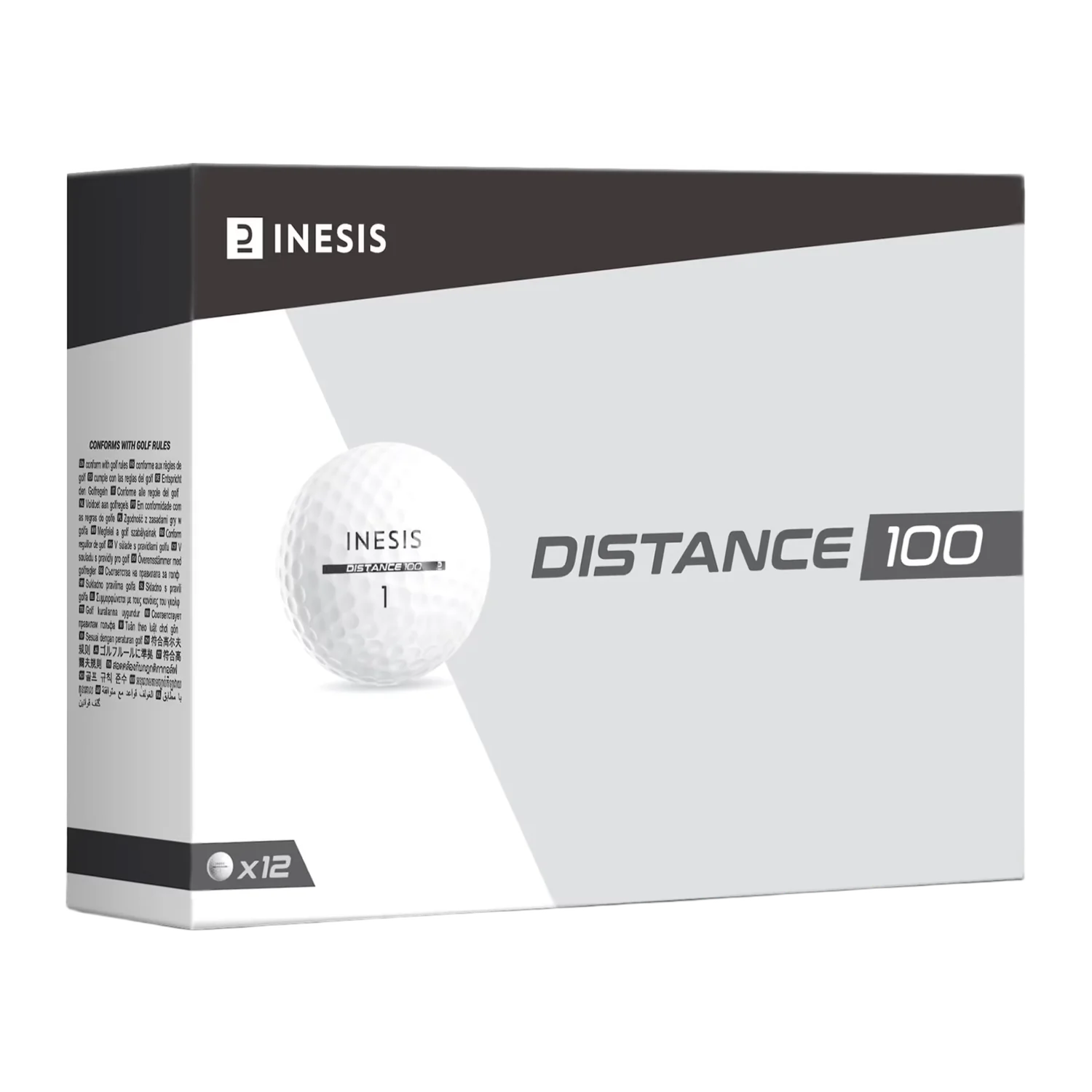 Inesis Distance 100 Inesis Distance 100 | £0.67 | £7.99 | 227.8 yds | 10.5 yds | 238.3 yds | Go to shop → |
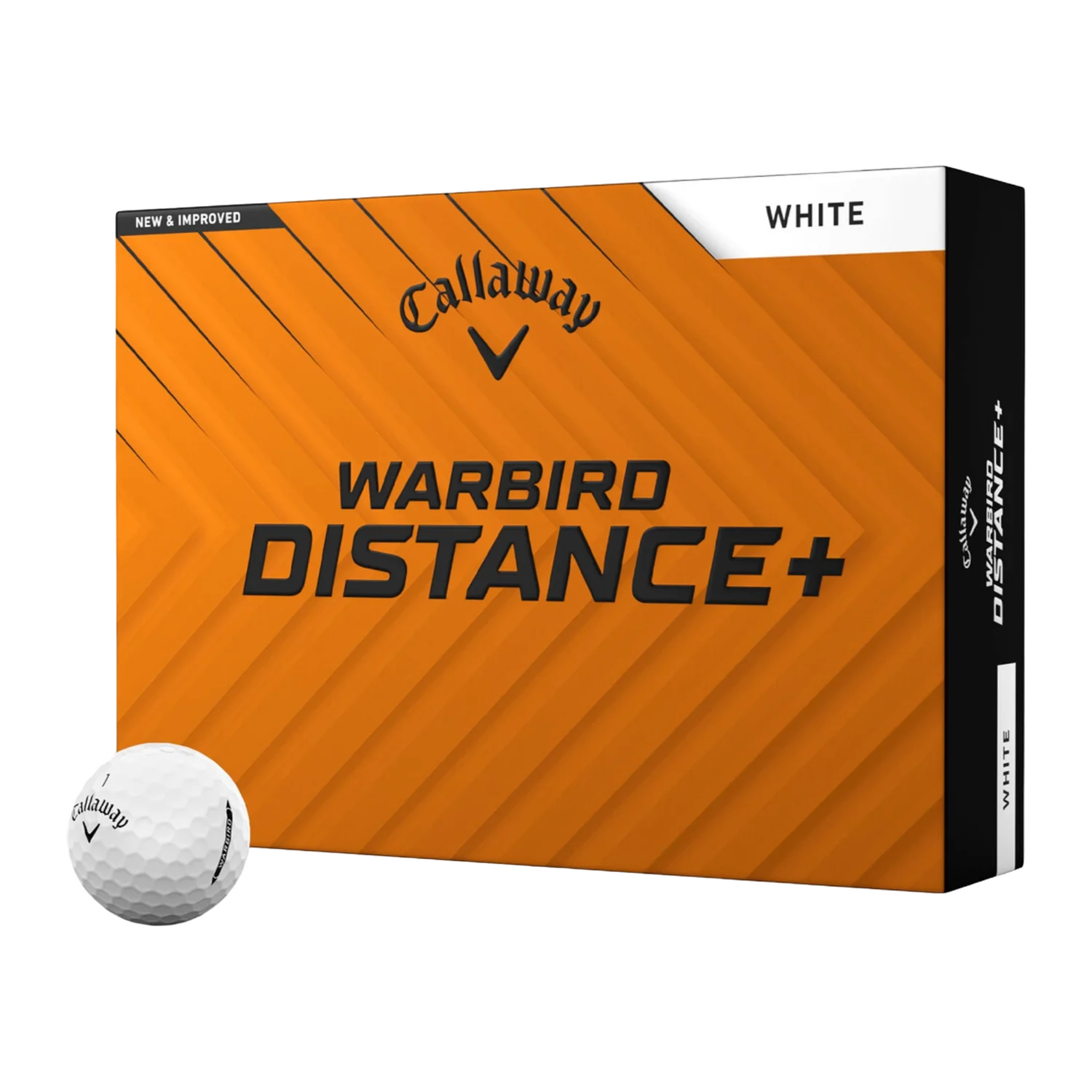 Callaway Warbird Callaway Warbird | £1.50 | £17.95 | 221.8 yds | 11.2 yds | 233.0 yds | Go to shop → |
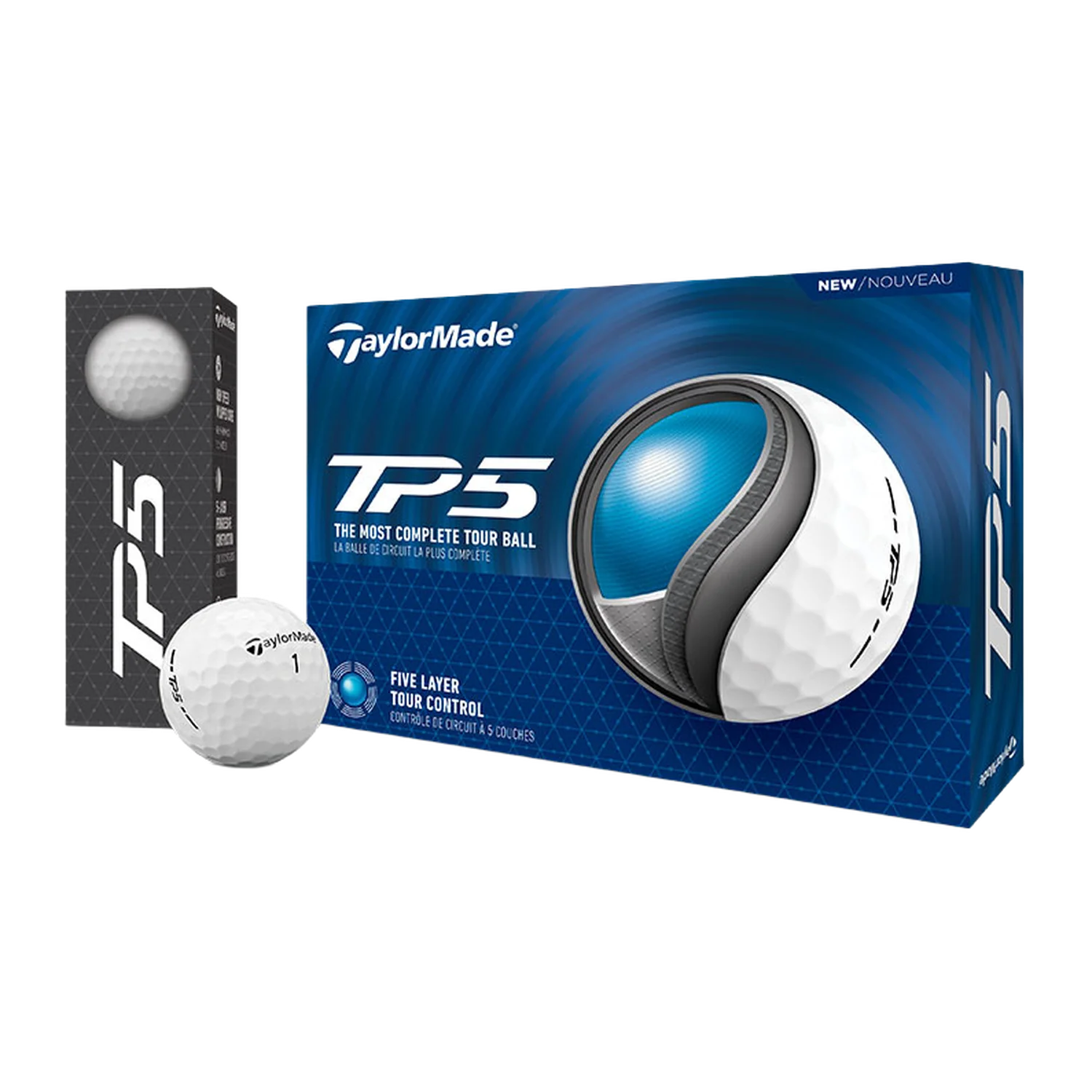 TaylorMade TP5 TaylorMade TP5 | £3.33 | £39.99 | 223.2 yds | 10.8 yds | 234.0 yds | Go to shop → |
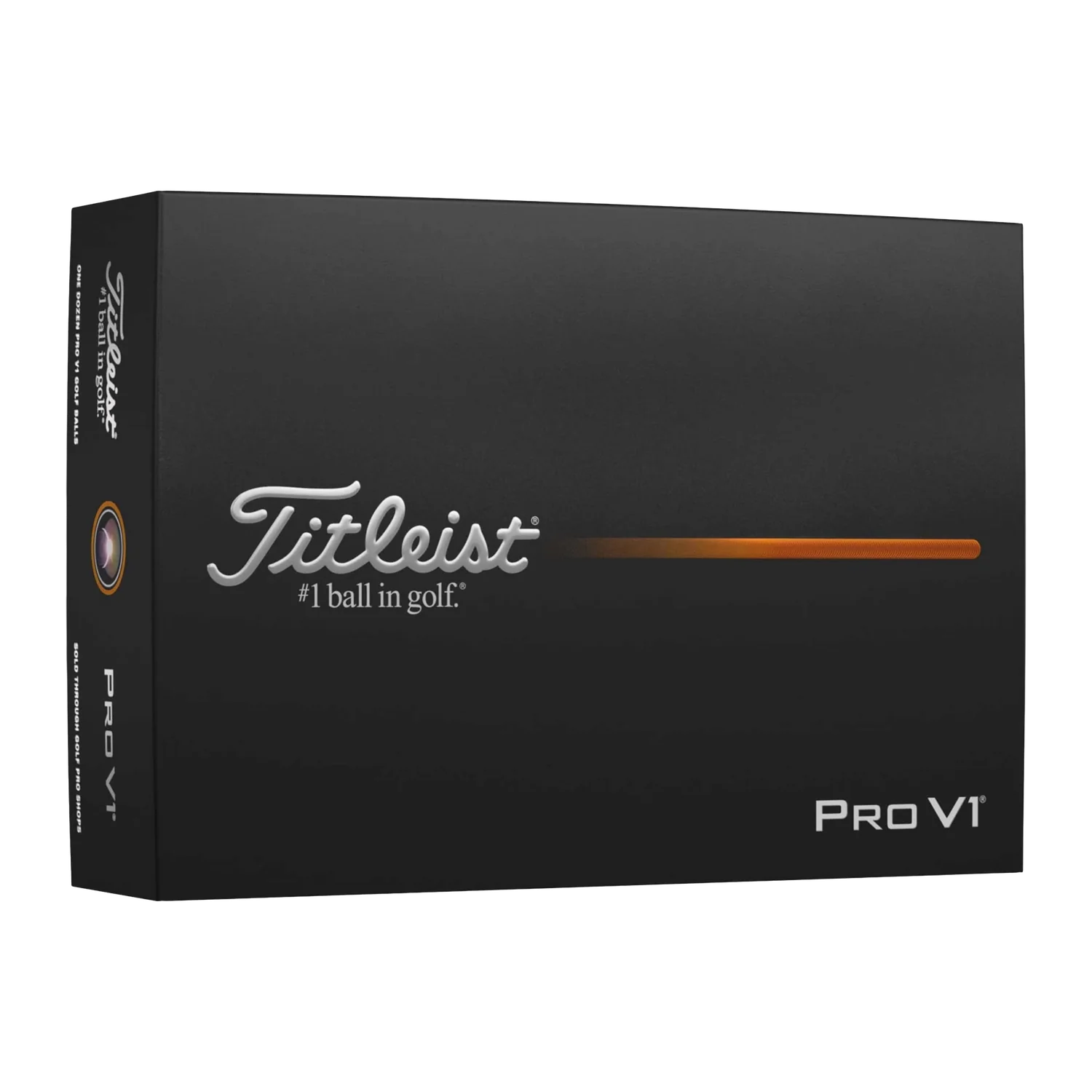 Titleist Pro V1 Titleist Pro V1 | £3.58 | £42.99 | 225.1 yds | 11.3 yds | 236.4 yds | Go to shop → |
What you buy with a more expensive ball shows up around the green: the grip and the spin with your wedges, and how quickly the ball comes to a stop there.
Compression and your swing speed
Compression describes how hard or soft a ball feels and how much it deforms at impact. For a long time the rule of thumb was that your swing speed determines which compression suits you, with a lower swing speed supposedly calling for a softer ball. Measurements show that this is looser than was long assumed. The difference in distance between a soft and a firmer ball is small at most swing speeds.
If you have a gentle swing, you have little to worry about here. Go ahead and play the ball that feels good to you. Only at very high swing speeds does compression really start to matter. If you are unsure which type suits you, a ball fitting or an online tool such as OneGolfBall can point you in a direction based on your own game.
Play the same ball
The most important tip has nothing to do with which ball you eventually choose: always play the same ball. Only then do you get to know how it behaves, how much distance it gives you with each club and how it reacts around the green. If you switch brand or type every round, you keep guessing. A ball you know well saves you shots over time.
Frequently asked questions
What do the numbers on the ball mean?
The large number is mainly an identification number, so you can tell your own ball apart from your playing partners'. Agree on the tee who plays which number. Some brands also print a code that refers to the model, but that tells you little about your game.
What is inside a golf ball?
In the middle sits a rubber core. Around it lie one or more mantle layers, with a cover of urethane or ionomer as the outermost layer. The more layers, the more nuanced the ball behaves on different shots.
What is a soft golf ball?
A ball with a low compression that feels soft at impact, which you notice most off the putter and on the short shots. Soft says little about how far the ball goes, because that difference is small for most players.
How many dimples does a golf ball have?
Usually between 300 and 500. They reduce air resistance, so the ball flies farther and more stably. The exact number differs from brand to brand.
How long does a golf ball last?
As long as the cover is not damaged, you can play a ball for many rounds. A cut or scuff from a mower edge or a stone can affect the flight; then it is better used as a practice ball. A ball that has spent a long time in the water can lose some feel.
Keep reading
Ready to find your ball?
Answer a few quick questions and get the ball that fits your swing.